


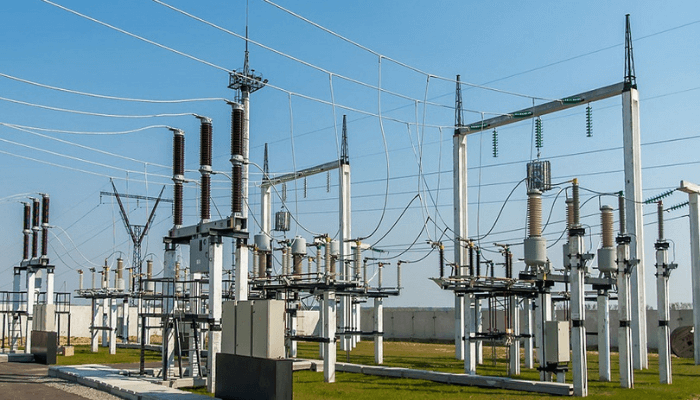
SINCE the birth of the Fourth Republic in 1999, over N11 trillion (about $30 billion) has been spent on the power sector in the bid to ensure reliable and regular supply of electricity. Unfortunately, at no time has available electricity in the national grid been more than 5,000 megawatts, a dismal figure for a country with about 220 million people.
In the past three months, what has been abysmal all the years has become a nightmare that has left 78 percent of homes and industries with unstable or no power at all. On April 5, Mr. Bayo Onanuga, Special Adviser to the President on Information and Strategy, announced that President Bola Tinubu has approved the payment of N3.3 trillion debt owed some power companies with eyebrows raised within and outside the industry. He explained that the approval was made under the Presidential Power Sector Financial Reforms Programme which, he said, were “long-standing debts accumulated between February 2015 and March 2025”.
The reaction from the industry, specifically Generating Companies (GenCos), was swift. They asked the Presidency to explain how it calculated the reported ₦3.3 trillion debt, noting discrepancies between the figure and reconciled industry records. They raised concerns about how the debt figure was calculated, saying it does not match the amounts agreed upon during earlier reconciliation meetings between market participants and government agencies.
Earlier on May 17, 2024, ₦3.3 trillion was announced to have been approved for the offsetting of sector debts. And on July 25, 2024, another ₦4 trillion bond was also said to have been approved to settle similar debts. It has been established that government institutions and agencies, including the Presidential Villa owe a significant portion of these debts.
Under the National Integrated Power Project (NIPP), over $16 billion is believed to have been sunk into the bid to improve power supply with little or no impact under the former President OlusegunObasanjo administration.
As on previous occasions, throwing money into the system has been the default response to power challenges with no corresponding due diligence or transparency in accounting for the disbursed funds.
In addressing the current huge supply deficits, care must be taken not to keep pumping tax payers funds into the coffers of major players in the industry, especially the Distribution Companies (DISCOs). Rather, as the constitution has been amended to remove electricity from the Exclusive List to the Concurrent List and Electricity Act of 2023 providing the legal framework for this shift, the foundation for achieving improved and reliable power and breaking the reliance on a single, overburdened national grid should be pursued.
However, the effort to addressing the supply deficits should be comprehensive to incorporate all the facets in the electricity chain. With over 75% of generating plants using gas, repair of pipelines to boost thermal generation should be prioritised. Infrastructure gaps, grid instability, and gas bottlenecks ought to be comprehensively audited to improve supply within two weeks, with the Nigerian Electricity Regulatory Commission (NERC) playing a proactive role.
Regulatory efforts via the NERC should aim to ensure consumers pay for the quality of electricity they receive, specifically addressing disparities in Band A tariff payments. This will address the billing crisis, the National Mass Metering Programme has intensified, utilizing the Meter Asset Provider (MAP) scheme to supply meters and manage consumption.
Ultimately, the final solution lies in the activation of Electricity Act 2023 that empowers states to engage in the generation, production and distribution of electricity within their jurisdiction. The nightmarish state of power supply in the country has been an albatross on the path of the development plans and programmes of successive administrations that a state of emergency ought to be declared on the sector. That way, all stakeholders as well as the federal and state governments can engage expert groups and organisations to chart a course to fasttrack the resolution of the present electricity nightmare.

