


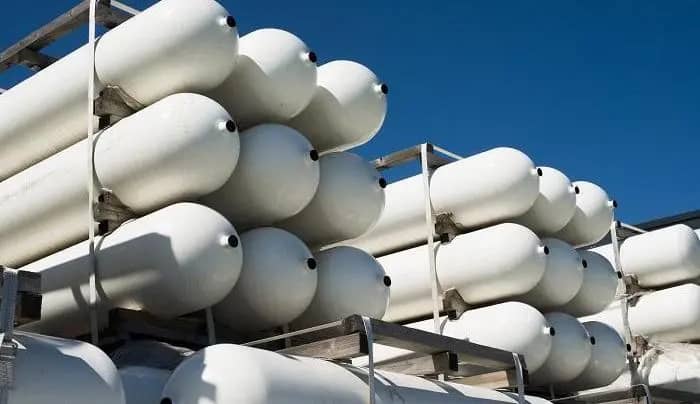
THE commissioning of Compressed Natural Gas (CNG) stations in Delta State could not have come at a more critical time. With the persistent rise in fuel prices across Nigeria, motorists have borne the brunt of an economic reality that has steadily increased the cost of transportation, goods, and daily living. Against this backdrop, the Delta State Government’s partnership with NIPCO Gas Ltd to establish CNG stations in Asaba and other parts of the state stands out as a timely intervention designed to offer real relief to residents.
What makes this development particularly significant is not merely the commissioning of the stations, but the broader vision it represents. By laying the foundational infrastructure for CNG adoption, the state is positioning itself ahead of the curve in embracing alternative energy for transportation. The acknowledgement by the government that infrastructure must precede adoption reflects a thoughtful and strategic approach that has been lacking in similar initiatives elsewhere.
For motorists, the promise of CNG lies primarily in affordability. Petrol prices have remained volatile, and for many commercial drivers and private vehicle owners, the cost of fuel has become unsustainable. CNG, by contrast, offers a cheaper alternative, and this alone has the potential to ease financial pressure on thousands of households. When transportation costs reduce, the ripple effects are felt across the economy, from lower fares to more stable prices of goods and services. In this sense, the CNG initiative is not just a transport policy; it is an economic stabilisation measure.
Equally important is the environmental benefit that comes with the adoption of cleaner energy. Nigeria, like many developing nations, continues to grapple with the impact of carbon emissions and environmental degradation. The shift to CNG, which burns cleaner than petrol, aligns with global efforts to reduce emissions and promote sustainable living. It is encouraging to see a sub-national government take deliberate steps in this direction, especially at a time when climate concerns are becoming increasingly urgent.
Another commendable aspect of the initiative is the inclusion of vehicle conversion facilities within the stations. This is a critical component that ensures accessibility. Without conversion centres, the adoption of CNG would remain limited to those who can afford new vehicles designed for gas. By enabling motorists to convert existing petrol-powered engines, the government is democratising access to this innovation and ensuring that its benefits are not restricted to a privileged few. It also opens up new economic opportunities, as technicians and service providers will be needed to support this emerging sector.
However, while the initiative is laudable, we are of the opinion that its success will depend on sustained commitment and expansion. Delta State is not confined to a single urban centre, and for the CNG programme to achieve its full impact, it must be extended beyond Asaba and Warri to other parts of the state. Accessibility will be key. Motorists will only embrace CNG fully if they are confident that refuelling stations are available within reasonable distances. This calls for continuous investment and the active involvement of private sector players, as rightly indicated by the government’s openness to partnerships.
Also, public awareness is another critical factor. For many residents, CNG remains a relatively new concept, and there may be concerns about safety, efficiency, and long-term viability. It is therefore essential for the government and its partners to embark on sustained sensitisation campaigns to educate the public on the benefits and practicalities of using CNG. Clear information will help to dispel misconceptions and encourage wider acceptance.
We believe that with sustained effort, transparency, and public engagement, this initiative will not only provide succour to motorists but also serve as a model for other states seeking innovative ways to ease the burden on their citizens.

