


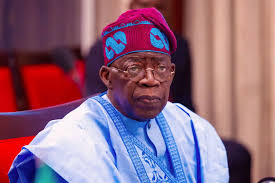
AS Nigerians are still basking in the euphoria of the recently celebrated 65th Independence anniversary, many viewed President Bola Tinubu’s nationwide address to the nation, which encapsulated the country’s experience so far, with reasonable bias from May 29, 2023, with mixed feelings.
Speaking in his address, President Tinubu painted a positive image of the Nigerian economy, citing the spectacular 4.23 per cent growth in GDP in the second quarter of 2025, the best rate in four years, and lowering inflation to 20.12 per cent, the lowest figure in three years.
Among other things, he also noted favorable trends in fiscal responsibility, such as non-oil revenue passing ₦20 trillion, external reserves rising to a historic $42.03 billion since 2019, and a significant reduction in the debt service-to-revenue ratio to less than 50 per cent.
We commend President Tinubu for leading the nation through a period marked by far-reaching reforms, resolving chronic fiscal problems, reconciling the exchange rate, and abolishing the corruption-plagued fuel subsidy.
These moves seem to bear fruit, with signs of recuperation coming through stabilising inflation, restored investor confidence, and improved infrastructure projects. This kind of visionary transformation is an indication of a government that is willing to take tough decisions for the future.
But it would be premature to proclaim that the worst is over. While President Tinubu’s address offers a glimmer of hope, most families are far from being out of the woods yet, as uncontrollable inflationary food prices, erratic power supply, and bulging unemployment have cast their shadow over the promised relief of a new dawn.
Despite such encouraging statistics, Nigerians still yearn for the fruits of the much-acclaimed economic recovery in their everyday lives, either at the markets or in their homes.
With our 65 years of independence, the education sector, despite a rise in universities, secondary schools, and other educational institutions, remains a matter of worry. Various government schools have gone through degradation and are a mirror of negligence. Coupled with this are the recurring lecturers’ and staff strikes, disrupting academic timetables and crushing the aspirations of students.
The same can be said of the medical profession. Doctors, nurses, and allied health workers are typically trapped in poor working conditions that compromise their dedication. Faced with poor facilities, lack of equipment, and poor pay, many have gone abroad in pursuit of better pastures, exacerbating the brain drain and weakening our healthcare system more than it was 65 years ago.
Our democratic process is far from perfect as well. Elections remain tainted by irregularities, a plague that has tormented our democracy for decades. Corruption, despite repeated efforts by successive governments to eradicate it, remains an integral component of our system, draining funds and eroding the faith of the people in the government.
Insecurity is becoming a domineering challenge that threatens lives, livelihoods, and national unity, while Naira continues to battle with the burden of inflation, diminishing the buying power of ordinary Nigerians. Our catalogue of challenges may go on and on, pointing to how expansive our challenges are. While there is hope, the Nigeria of our dreams remains elusive.
Therefore, while we commend the strides made so far by the Tinubu administration, the government must translate these macroeconomic gains into concrete, substantive achievements in people’s lives. Key areas such as education, health, security, and the unrelenting struggle against corruption require serious, consistent focus. The task of nation-building remains unfinished, and all hands must be on deck to turn the promise of a better tomorrow into a tangible reality for all.

