


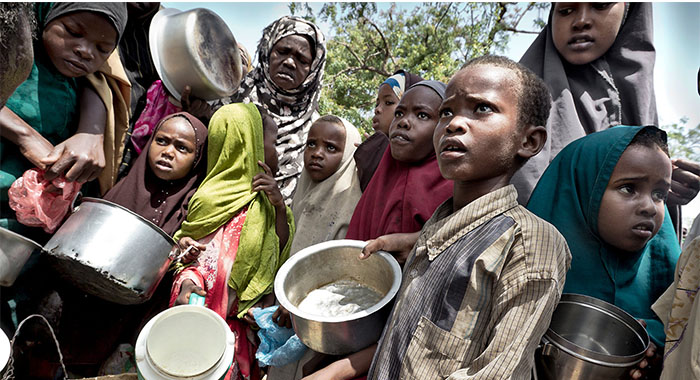
- As Nation Slumps On Global Happiness Rating
BY CHIKA KWAMBA/OGORAMAKA AMOS/FAVOUR PERCY IDUBOR/RITA OYIBOKA//JUDITH OBIANUA/PRINCE EJAKPOMEVI
According to the 2026 World Happiness report, Nigeria ranked 106th position out of 147 countries, marking a steady decline on the chart from 105 in 2025 and 102 in 2024. Topping the list for the ninth consecutive time is Finland, followed by Iceland, Denmark, Costa Rica, Sweden, Norway, the Netherlands, Israel, Luxembourg and Switzerland in that order.
Following the unfortunate development, our correspondents sought to gauge the pulse of Nigerians on the report of the survey and what is expected to improve the nation’s lot.
Speaking with The Pointer, Benin-based, mother of two and trader, Mrs Victory Isaiah said, “To be honest, happiness in Nigeria now feels like a luxury, not something ordinary people can afford.
‘’As a mother, your joy is tied to the well-being of your children, and that’s where the problem starts. School fees continue to rise every term, making food a daily struggle due to unpredictable food prices, and healthcare is another significant burden. Sometimes, a child falls sick and instead of focusing on getting them well, you are calculating costs, consultations, drugs, and tests.
‘’As a mother, it’s painful when your children ask for certain things, and you have to say no, not because you don’t want to provide, but because things are just too expensive.
“Then there is electricity. How do you run a home without power? No one needs to tell you how bad the electricity supply has been. You end up spending so much on fuel just to keep the generator on, and even fuel itself is expensive. At the end of the day, whatever little income you make is swallowed by basic survival.
“For me, happiness would be a stable income, affordable food, good schools, good government, and security. But right now, everything feels like a struggle, and it’s hard to say Nigerians are truly happy when parents are constantly worried about the next bill or the next food.”
For a 300-level Computer Science student at the Delta State Polytechnic, Ogwashi Uku, Praise Emegha, the ranking reflects the reality that young people are facing.
“As a student, there’s a constant cloud of uncertainty hanging over your future. You are in school, but you’re not even sure what comes after graduation. Jobs are scarce, and even when they are available, the pay is not encouraging.
“The cost of living is another major issue. Transportation alone can drain your pocket. If you live off-campus, rent is outrageous. Feeding is not easy either; what used to be basic meals are now expensive.
‘’Then you come back to school, and there’s no steady electricity or conducive environment to study. It affects your mental state. Socially, people try to look happy online, but in reality, many are stressed, anxious, and even depressed.”
Meanwhile, a tailor, Mr Samuel Akirinbola, noted that as an entrepreneur, doing business in Nigeria is one of the toughest things right now, and that directly affects your happiness.
“Running a business in Nigeria today will test your mental strength, and that has a direct impact on your happiness. The cost of doing business keeps increasing. Electricity is unreliable, so you depend on generators for beading, sewing, ironing, weaving, everything needs power, and with the high cost of fuel, your expenses keep rising.
‘’I have not seen the light blink since February. At the same time, customers are struggling too, so they spend less. It becomes difficult to make a profit, let alone grow. You find yourself working harder but earning less. Then there are multiple taxes and levies from different agencies, sometimes even unofficial ones. It feels like the system is working against you instead of supporting you.
“To even restock the shop is a problem. Something of N5 today is N15 tomorrow. As an entrepreneur, your happiness is tied to stability and progress. But when you are constantly battling external challenges, it drains you emotionally.
‘’Many business owners are just surviving and borrowing just to not shut down. And when there is no sense of growth or security, it’s hard to feel genuinely happy. Right now, God is my only source of happiness.”
A Civil Servant who only identified as Mrs Grace Oghenekaro said that in the civil service, the reality is that many workers are just managing, not truly living. ‘’Salaries are not keeping up with the rising cost of living. By the time you pay rent, handle transportation, and feed your family, there is little or nothing left.
‘’It creates a cycle where people are constantly under financial pressure. Housing is a major issue. Rent is extremely high, especially in Asaba, and many civil servants have to live far from their workplaces to afford accommodation. That means spending more on transportation.’’
According to another respondent, Engr James Otuto, Nigeria’s ranking as the 106th happiest country reflects a mix of resilience and hardship. ‘’While many citizens remain optimistic, rising living costs continue to reduce overall well-being. Prices of food, rent, and basic goods remain high, making daily survival increasingly difficult for the average Nigerian.
‘’Recent economic reforms have worsened this pressure. The removal of fuel subsidies and currency devaluation led to a sharp increase in petrol prices, which in turn raised transportation and production costs. Electricity tariffs have also increased, further stretching already limited incomes.
‘’Infrastructural challenges remain a major concern. Unstable electricity supply forces households and businesses to rely on expensive alternatives like generators. At the same time, poor roads, limited healthcare access, and inadequate basic amenities continue to affect the quality of life across many regions.
‘’Insecurity is another critical issue. Recent attacks, kidnappings, and communal conflicts have disrupted livelihoods and created widespread fear. These challenges not only threaten safety but also affect economic activities, contributing to food shortages and financial instability for many Nigerians.’’
Also speaking, a media personality, Anointing Abanum, said Nigeria’s position in global happiness rankings reflects a mix of structural, economic, and social challenges that affect everyday life. ‘’Happiness is strongly influenced by living conditions. In Nigeria, systemic challenges like economic hardship, insecurity, and poor infrastructure combine to limit overall well-being’’.
Meanwhile, a teacher, Beatrice Erheriene, told our correspondent, ‘’For millions of Nigerians, happiness is no longer a steady state of being — it is a fleeting moment, often interrupted by the harsh demands of survival.
‘’In a city that thrives as the hub of Nigeria’s oil economy, there exists a deep contradiction: wealth flows through its systems, yet many residents struggle daily to access the most basic comforts of life.
According to a Bolt driver, Chinedu Okafor, who spoke to our correspondent in Port Harcourt, “I used to enjoy driving round town. Honestly, it gave me freedom, and I could meet different people every day. But now, driving has become a struggle for survival.
‘’Fuel is the biggest issue. Before, I could fill my tank and work comfortably for days. Now, even ₦20,000 of fuel barely lasts. The price keeps going up, and passengers don’t understand. They complain when you increase fares, but they don’t know what we face.
“Sometimes I wake up, and I’m already tired, not physically, but mentally, because the whole situation is draining. You are calculating everything from fuel, car maintenance, to daily target, and at the end of the day, what you have left is small.”
“Happiness? It’s difficult to feel happy when you are constantly worried about making enough money to survive. Even when I smile with passengers, deep down, I am thinking about my next expense”
“What makes it worse is traffic and bad roads. You spend hours on the road burning fuel and stressing yourself. By the time you get home, you don’t even have energy to enjoy life. Honestly, I think Nigerians are strong people. If not, many would have broken down completely.”
Mrs Blessing Amadi, a food vendor, told our correspondent, “Running a food business now is not easy at all. Everything has increased — rice, beans, oil, and even pepper. Sometimes, I go to the market and come back confused because the prices have changed again. Customers complain that food is expensive, but what can I do? If I don’t increase the price, I will run at a loss. If I increase it, they stop buying.
‘’Electricity is another major problem. We hardly have steady light, so I rely on a generator. Fueling the generator daily is another cost. It’s like you are working just to maintain the business, not to grow. As a mother, it affects my happiness deeply. You want to provide for your children, give them a good life, but things are tight.
Sometimes I pretend to be happy in front of my customers, but inside, I am worried. Happiness now is when I make enough sales to cover my costs and still have something left. Before, I used to feel hopeful. Now, I just take things one day at a time.”
Emeka Nwosu, a civil servant who is based in Port Harcourt, spoke to our correspondent. “As a civil servant, salary used to be something you could depend on. But now, it cannot even cover basic needs.
‘’By the time you pay house rent, school fees, electricity bills, and feeding, the money is gone. There is nothing left for comfort or enjoyment. Housing is another issue. Rent is extremely high. Landlords increase rent without considering your income. You are forced to live in places you are not comfortable with.
‘’Happiness becomes secondary when you are constantly under financial pressure. Even weekends are not enjoyable because you are thinking about Monday and expenses.
‘’Another thing is insecurity. You can’t move freely at night like before. You are always cautious, always alert. Sometimes I ask myself — is this the life we hoped for? We work hard, but the reward is not there. To be honest, happiness now is a luxury, but one just tries to cope with things the little way we can to put a smile on our face.”
For Favour Johnson, a student, the pressure is different but still heavy. ‘’Transport fare alone is discouraging. If you don’t have money, you might miss classes. And sometimes, you trek long distances just to save money.
‘’Electricity affects us a lot, too. You want to read, charge your phone, or do assignments, but there is no light. You depend on power banks or generators. Emotionally, it’s draining. You are trying to focus on your future, but the present is already stressful.
‘’Social life is almost non-existent. You can’t afford to go out or relax. Even basic things like hanging out with friends feel like a luxury. Happiness, for me, is when I don’t have to worry about money for a day.”
Corroborating other respondents, Ngozi Eze, Hairdresser, said, “My business depends on customers, but these days, people don’t have money for hair. They prioritise food and essentials. Even the cost of hair products has increased.
Happiness for me used to be about growth — opening a bigger salon, employing people. Now, it’s about sustaining what I have. It’s painful because you know your potential, but the environment is limiting you.”
‘’But despite everything going on, Nigerians still find ways to smile. That’s why the government can throw anything at us because they feel we can cope with whatever situation”
To place these lived experiences in context, Dr Ijeoma Nwoye, a sociologist, explains that happiness is deeply tied to structural realities. “What many Nigerians are experiencing is what we call structural strain. When systems fail to provide basic needs like electricity, security, and economic stability, people shift from living to merely surviving. In such conditions, happiness becomes temporary — something people experience in moments rather than as a consistent state.”
She notes that prolonged hardship leads to emotional exhaustion. “There is a growing level of psychological fatigue in society. People are constantly thinking about money, safety, and survival. Over time, this reduces overall life satisfaction.” According to her, inequality further deepens dissatisfaction. “When people see wealth around them but cannot access even basic comfort, it creates frustration. It’s not just about poverty — it’s about perceived exclusion.”
As she puts it, “Nigerians are not unhappy people by nature. They are people navigating difficult systems. If those systems improve, happiness will naturally follow.”
Similarly, the Managing Director/Chief Executive Officer of Raychannels Transport Ltd, Raymond Eboigbe, noted some major contributors to the happiness deficit in Nigeria.
According to him, poor electricity affects businesses, healthcare, and overall quality of life. The high cost of living makes it tough for people to afford basic needs, fuel prices impact transportation, businesses, and the economy, lack of basic amenities like water, healthcare, and education is a huge stressor, high house rents are pricing people out, and there is no stability.
Speaking with The Pointer in Asaba, a trader, Mrs Ruth Ozondu, reflected on the situation in Nigeria, describing it as an unbearable time for the citizens of the country. According to her, “Prices of food and basic items keep increasing. You can’t plan anymore. Right now it’s more about surviving than considering happiness.”
Similarly, a resident in Okpanam, Mr Collins Okeke, said the cost of running his home has become overwhelming. “There is hardly any joy left in the country, as people are grappling with hardship daily. I can attest to the financial strain, having to spend significant amounts on petrol each day just to keep my family out of darkness at night. Frankly, this year is proving to be particularly challenging,” he said.
Also, a student of Anambra State University, Miss Ukaoma Britney, lamented that the economic crisis in the country has greatly affected her academics, adding that the cost of accommodation in school is rising at an alarming rate.
“House rents keep going up, but there’s no water, no good roads, and no steady electricity. It’s very discouraging, and when you question the landlord on the rent increase, they tell you it’s because of the economy of Nigeria,” she said.
A civil servant in Asaba, who identified himself as Umeh Robert, expressed deep concern over the current state of the nation. “There is little to be happy about in the New Year. The North remains under constant threat of terrorist attacks, power supply across the country is still unreliable, and the recent increase in taxes has only added to the burden. It leaves one wondering whether things will improve or take a turn for the worse, because this is not how I envisioned 2026.”
Similarly, a barber in Asaba, Mr Sunday Okonkwo, highlighted how worsening economic conditions have affected businesses and daily profit margin. “The cost of maintaining my shop, buying petrol, paying rent, and even basic supplies has gone up. Sometimes, after working all day, the profit is very small. It’s becoming harder to cope.”
Speaking, Mrs Solomon Faith stated that there is nothing to be happy about. ‘’Nothing is working in this country, we are not happy, and it’s high time Nigerians stop pretending and face reality. For the past nine months, there has been no light in my area; we are in the dark. The same thing is applicable in other places.
‘’The government should look into the electricity sector and do something about this power failure. Another thing is the high cost of living. High food prices in the market are alarming. High cost of rent. The masses are finding it difficult to survive.
‘’Imagine a civil servant who receives less than N100,000 in a month or a private school teacher who earns N30,000; how do you think that person will survive, especially a family man? There is a need for the government to look into workers’ wages and do justice to them. The hike in fuel prices is frustrating, and transportation fares have increased as well.’’
Speaking with Elizabeth Animeme, she said ‘’The youths are looking forward to the day a youth will rule this country. The needs of the people are ignored. Bad roads, especially federal roads, are all over the country. A journey that will take an hour will exceed four hours because of bad roads.
‘’There are a lot of challenges that need the attention of the government. Education is another issue. An average Nigerian cannot afford a public university’s school fees. Education is the key to success, they say, but the poor cannot afford it due to high school fees. The question is, “Is there a future or hope for this country?

