


By GABRIEL CHOBA
The recent waves of military coups across West Africa, most notably in Niger, Mali, Benin and Burkina Faso have exposed the fragility underlying the region’s political frameworks.
These abrupt seizures of power are not isolated incidents but symptoms of longstanding systemic failures: entrenched poverty, pervasive insecurity, and chronic governance deficits that continue to undermine the foundations of democratic stability.
Nigeria, as the economic and political heavyweight of the Economic Community of West African States (ECOWAS), bears a particular responsibility, and faces a unique challenge.
Its calls to restore constitutional order in neighbouring countries ring hollow if it cannot confront the very demons undermining its own integrity. The country stands at a crossroads, grappling with internal crises so pronounced that they threaten to engulf the region alongside it.
Coups emerge where governments do not adequately address the aspirations and grievances of their people. Deep-rooted poverty, glaring inequality, inadequate education systems, and rampant insecurity serve as fertile ground for anti-democratic forces to thrive.
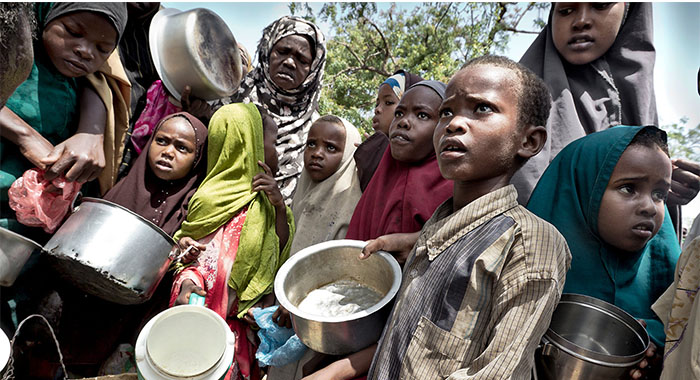
In Nigeria, millions remain trapped in poverty, youth unemployment remains alarmingly high, and the menace of insecurity, fuelled by insurgencies, banditry, and communal clashes—renders large swathes of the country ungovernable.
This predicament is compounded by shrinking political freedoms. The erosion of democratic space marked by harassment of critics, censorship, and the suppression of dissent does not bode well for national cohesion or investor confidence. When people feel alienated from the political process and fear reprisals for speaking out, frustration mounts, paving the way for unrest and instability.
To break this vicious cycle, Nigeria must embark on rigorous self-reflection and decisive action. Tackling poverty requires not only economic growth but inclusive policies that ensure equitable access to resources and opportunities.
Security reforms must prioritize protecting citizens, strengthening law enforcement, and fostering intelligence-led responses against threats.
Crucially, respect for civic freedoms must be non-negotiable, allowing Nigerians to participate freely in dialogue and governance without intimidation.
The Independent National Electoral Commission (INEC) has a pivotal role in this transformation.
It must proactively broaden political participation by empowering genuine ideological parties that offer alternatives to the prevailing establishment. This pluralism is essential to rejuvenate democracy and provide citizens with real choices.
West Africa’s democratic experiment is at a critical juncture. The region’s aspiration for peace and progress hinges on confronting poverty, insecurity, and governance failures head-on. Nigeria, as a beacon of the region, must lead by example. Without first restoring faith in its own institutions and addressing the root causes of instability, any external diplomatic efforts to promote constitutional rule will remain frustratingly out of reach.
Ultimately, peace and stability are built on foundations of justice, opportunity, and respect for human dignity. It is imperative for Nigeria, and indeed all West African states to commit unequivocally to these principles if coups and chaos are to become relics of the past, rather than recurring headlines.

