


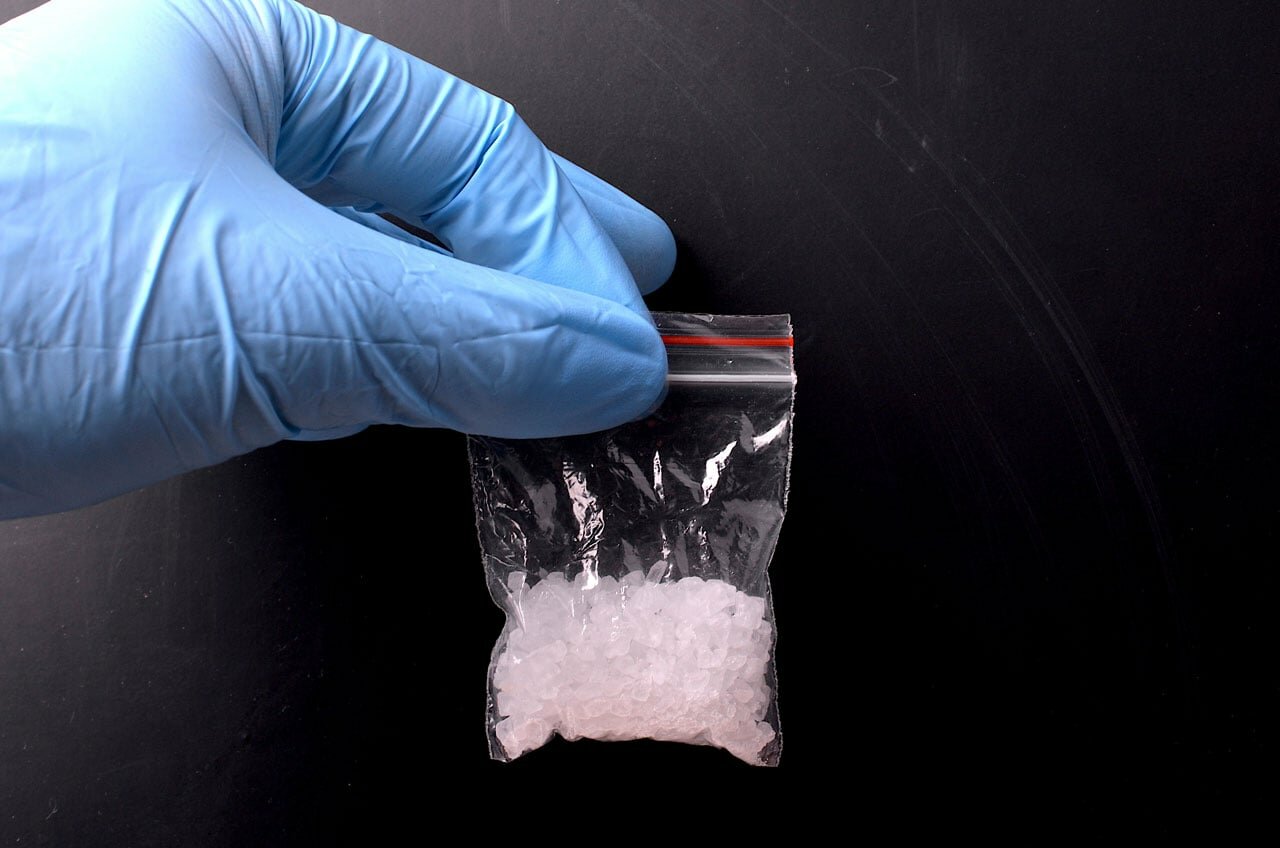
THE Federal Government has taken a decisive leap in the battle against drug and substance abuse with the introduction of mandatory pre-employment drug testing for all applicants into the federal public service.
The directive, issued through a circular on December 22, 2025, demands that all Ministries, Departments and Agencies (MDAs) embed drug screening into their recruitment protocols. It is framed as a preventive mechanism to protect public health, workplace efficiency, and national competitiveness.
This development mirrors earlier calls from key agencies such as the Chairman of the National Drug Law Enforcement Agency (NDLEA), Brig Gen BubaMarwa (rtd), who has long advocated for wider drug screening policies across youth and employment sectors to tackle substance abuse.
Taking cognizance of the prevailing situation, Nigeria cannot afford a workforce that is under the influence of drugs. Illicit drug use erodes discipline, impairs judgment, and hits the bottom line, whether in a factory, classroom, hospital, or office. Employers in advanced economies have for decades embedded drug testing into hiring practices precisely to safeguard operational efficiency and workplace safety.
For us in Nigeria, the narrative should be similar to advanced economies. Decades of underperformance in both public and private sectors are often traced back to weak incentive structures and lax enforcement of basic standards. Drug addiction amplifies these issues. It’s no surprise that stakeholders increasingly link rising substance abuse among youths to lower workforce participation and productivity; addicts, by definition, struggle with consistency and focus. Compulsory testing does not just screen out active users; it signals to society that drug use and economic participation are inextricably linked.
Critically, this policy also has implications for youth behaviour and future planning. If young Nigerians, including underage boys and girls already exposed to drug culture, understand that drug use could jeopardise their future job prospects, it creates a form of deterrence that complements education and law enforcement.
But the policy on its own is not a panacea. It must be accompanied by robust, transparent frameworks that protect applicants’ rights and safeguard against misuse. Right now, implementation hinges on NDLEA partnerships with MDAs. The integrity of testing, including unbiased processes, accredited laboratories and chain of custody controls, must be ironclad. Without that, this policy risks becoming another paper tiger exercise that alienates job seekers without real impact.
Beyond being a crime, abuse of hard drugs is a public health challenge. The government should pair testing with education campaigns in schools, youth organisations and community centres so prevention starts well before the recruitment queue.
Operational arms like NDLEA, the Nigeria Police Force, Federal Ministry of Health, and even the NYSC must pivot from enforcement-only mindsets to holistic intervention models. That means community outreach, early detection in schools, and reintegration programmes that help users reclaim productive status rather than consign them to exclusion.
We also advocate that society at large cannot sit on the sidelines. Parents, educators, employers and media must amplify awareness, reject the glamorisation of substance use, and support at-risk youth with mentoring and opportunity. A job test only works if young people value their employment aspirations over short-term escapes.
If Nigeria insists on a workforce that can compete globally, keep public trust and deliver development outcomes, it must enforce criteria that reflect those expectations. Drug testing for job seekers may be uncomfortable for some, but the evidence is clear: disciplined hiring leads to disciplined execution.
In a country where employment opportunities are scarce and competition is fierce, compulsory job testing is not a barrier; it’s a benchmark for competence, and if we want to change Nigeria’s productivity narrative, this is precisely the kind of systemic course correction we’ve been waiting for.

