


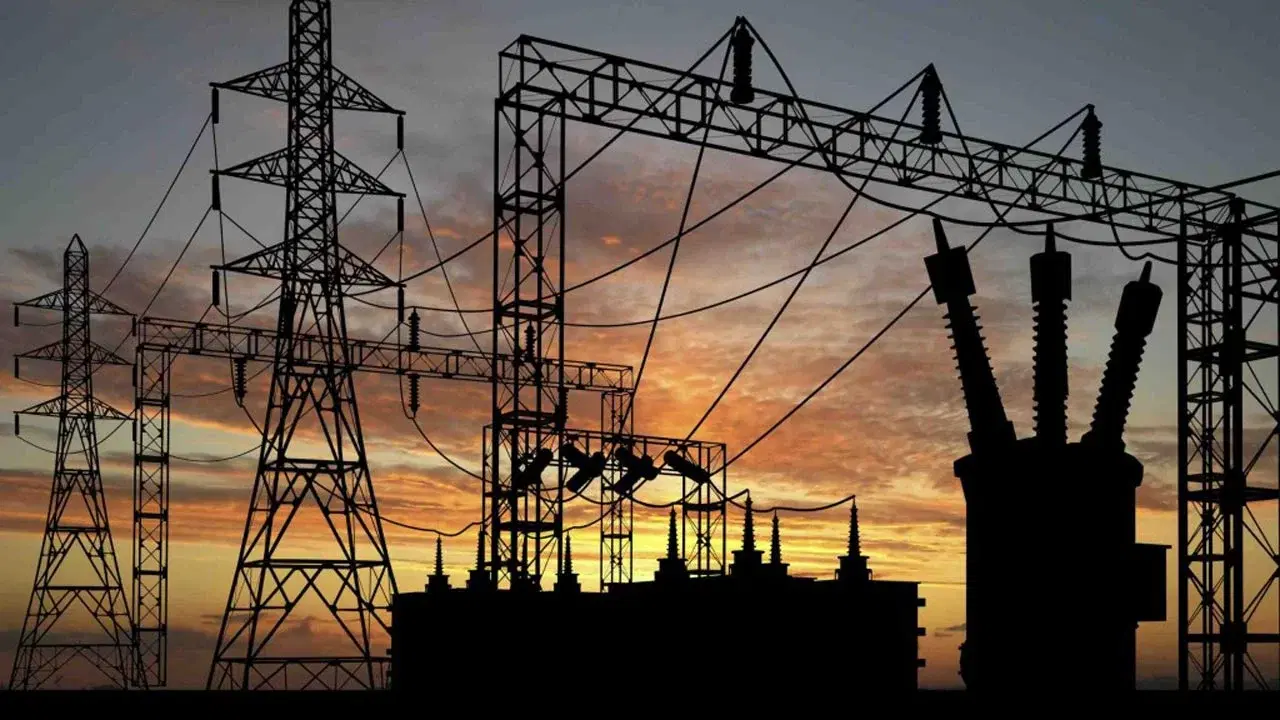
IT would seem Nigeria at the moment lacks what it takes to fix the country’s humongous, monstrous electricity challenge. The country’s electricity system as at the first two weeks of March 2026 delivered less than 4,000 megawatts of electricity to consumers, a departure from the 5,000 megawatts it supplied in December 2025. The installed capacity is 13,625 megawatts, according to the Nigerian Electricity Regulatory Commission.
What the above implies for electricity consumers is unprecedented frequency of outages, blackouts and darkness for most of the time. For those relying solely on the national grid for energy supply, the situation has been quite woeful; businesses have been shut down, electrical appliances at homes and offices have since been turned off, and potential investors have been scared off.
Those who are surviving in this era of outages are corporate outfits and individuals that have been able to install alternative sources of energy like generators and solar systems. These of course do not come cheap. Consumers seem to be embracing the solar system option more as petrol is not needed to power it unlike the generators that simply guzzle fuel. Nevertheless, this minority of consumers still need supply from the grid system for some heavy energy-consuming facilities.
It is on account of this tragic failure of the national grid to satisfy consumers’ demand that sub national authorities are seeking alternate sources of energy to address their mounting needs. The Delta State Government is one of them. It has taken a critical step under extant electricity law in the country to intensify efforts to improve energy supply in the state, according to the Commissioner for Energy, Mr. Michael Anoka.
In this connection, the commissioner recently paid an inspection visit to the ongoing Ode-Itsekiri Electricity Project in Warri South West council area, expressing satisfaction at the rate of work. The electrification project, explained Mr. Anoka, involves the construction of a 33KVA overhead line from NPA’s 15MVA refinery feeder across the Warri River to connect Orugbo, Ode-Itsekiri, Ajigba, Inorin, Usele, and Ugbodede. The project has a 12-month completion timeline.
The commissioner also visited the Transcorp Power Plc in Ughelli to explore the possibility of a partnership with the energy plant on the generation and supply of electricity in the state. He told his audience that the government is committed to improving power supply and creating a lasting legacy in the energy sector, emphasizing that the state has enormous potentials for electricity generation capable of driving industrial development and boosting the state’s economy.
It is commendable that the state is already working to fix the energy deficit in the state. We recall that in August 2025, the State Governor, Elder Sheriff Oborevwori assured a forum in Abuja of his readiness to harness renewable energy solutions as catalyst for industrial growth, rural development, and inclusive economic opportunities across the state. He noted then that reliable electricity remains “a cornerstone for unlocking productivity, attracting investments, and enhancing the livelihood of our people.”
The Oborevwori administration, we believe, is working tirelessly to address the state’s energy gap. It remains our view that the state government should map out strategies for the development of mini electricity grids in the state, using the strength of each economic zone. For instance, Agbor, Sapele, and Oleh economic zones should each have a grid.
Moreover, we are still of the opinion that the administration should take a look at how the Aba Independent Electricity Project in Abia State was executed to supply energy to industrial clusters and communities in the state. It is a home-grown solution pioneered by Professor Barth Nnaji, and amply supported byAbia State Governor, Alex Otti, a banker and economic expert.
For too long, Delta State has been left in darkness. It is time a revolutionary strategy is adopted to get the state out of the stranglehold of power outages and darkness. The solution may not be achieved in just one year, but starting all the processes for the attainment of the objective in a few years is of essence now. This would galvanize other states to initiate similar measures to deliver themselves from the devastating electricity outages.

