


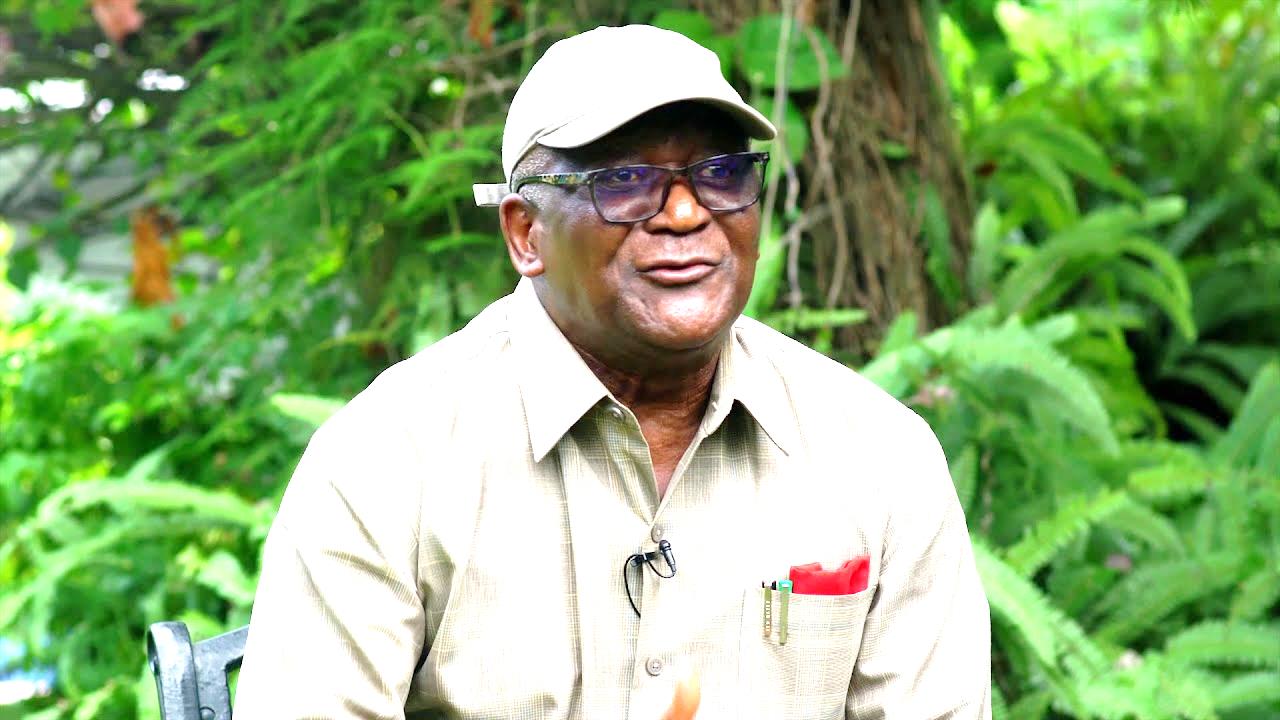
IF I wasn’t married 50 years ago before I started traversing the world I would have easily married formal most every continent because of the love every nation I visited shared with me for being a Nigerian. Not because I had money, not because I was good looking but mainly because of the way Nigeria was perceived of being a major player for the black world especially the role Nigeria played in the global stage, the United Nations Peace keeping force and also becoming a frontline nation during the liberation of the Southern African countries, Rudesia before it became Zimbabwe form the British , Mozambique and Angola from the Portuguese, Namibia and South Africa from the Deutsch and it was Nigeria that moderated with the non-align Nations for the liberation of these countries mentioned. Even when the developed countries like United States of America, Britain and most of these countries did not understand the difference between freedom fighters and terrorists.
All the same, the love nations of the world showed towards Nigeria was not so much on today’s oil and gas, gold or diamond but mainly because Nigeria had well educated and well informed leaders that worked for the people and for the future of the black nations and not individuals like godfatherism as of today. Most nations of the world wanted to be part of a nation that was a major global player and a nation that was emerging because of our resources and weather, Nigeria became an investors’ haven as well. Nigeria was also emerging in Sports, in fashion and music, in the Art, they also had the biggest airways in Africa and the first television station in the whole of Africa, had four refineries, four still mills and four motor Assembly plants. All these towards industrialization of the nation to the benefit of the entire continent because of the secondary industries that were to grow from them. Otherwise how can you explain that the population of Nigeria rose from sixty million in the 1960s to 260 million as projected now?
What Changed?
Most of the countries being liberated depended so much on Nigeria’s journey during the liberation. Sanctions started betting to and from the countries that were getting liberated. At the time, Nigeria started their own internal revolting like Coups, Instability, Anarchy civil wars etc. As a result of these issues in Nigeria that was
regarded as the “BIG BROTHER” by other nations, trusts and hope from these nations towards Nigeria was broken and shattered. In this same way, Nigerians stopped being patriotic seeing that the country they believed in was not working.
Religion and tribal differences, going from 12 states to 36 states in a very short period of time. Different sects, different communal clashes and different cultural beliefs started to bring disunity among the citizens. At this stage, we started to dislike ourselves like enemies at war.
My very good friend Dr. Muiz Banire in his latest article titled, “Anthony Joshua and the anatomy of Nigeria’s road safety failure” said and I quote, “In Nigeria, however, conclusions often precede investigations, reinforcing public distrust and underscoring institutional incompetence. Enquiries such as when did the vehicle break down, or was it parked at that spot? Was it parked on the shoulder of the road or the road setback? Was it lying on the part of the motorable way? Any indicators of dangers while being parked there?
And so the news travelled far and wide that Anthony Joshua had said he would never again step foot on Nigerians soil. Yet, when he was interviewed, he denied ever making such a statement. What this reveals, sadly, is not what Antony Joshua said, but the haste with which we sometimes ridicule ourselves before the nations of the world. There is nothing wrong with self-criticism; because, a people who cannot examine themselves are doomed to repeat their errors. From honest criticism, lessons are learnt and progress is made but criticism must never degenerate into condemnation. Our leaders, too, must learn to accept criticism, just as the citizen must learn restraint in dispensing it. Balance is required, and wisdom must guide what we put out.
During one of my sojourns in the Sahara desert, it was a near attack and I was accosted by bandits who either were looking to kill or rob me but at the time they ransacked my documents and things, their commander picked up one of my papers and said to me, “ Are you Nigerian?” and I said, “Yes”. And then the he said, “Do you know Jay Jay Okocha?” and I answered and replied, “Not only that I know him but he is also my brother” and he asked the rest of his team to let me go. At that time, Jay Jay Okocha was a shining well known footballer in France playing for PSG. When I saw him many years after, I told him the story on how he became my brother in the desert.
Looking at all these, Nigeria is almost becoming a big for nothing country by the black world because of the way we were perceived and seen to a point where we are no longer able to tackle our insecurities and national issues.
In one of my past articles titled, “A Fractured Nation: Patriotism”, I pointed that the quickest way to bring back Nigeria to the one nation it once was to bring back Patriotism. Nigerians no longer belong to Nigeria and we must find a way of giving Nigerians some sense of belonging, something to fight for like HOPE but not false hope, security not amnesty, opportunity to education not contracts or appointments, justice not politics without defined ideologies. Nigerians know how to go from poverty to wealth despite the huge disadvantages in our economy. Nigerians also know how to handle ill health to good health without having to travel abroad for medicals. My son would like to be able to work in every part of Nigeria the way I did. I told him that it is possible but again we must first bring back PATRIOTISM by going back to those things that united us together, not the senseless political divisions, senseless religious ideologies and senseless ethnic boundaries that never existed but were created by men and women of fortune for selfish gratification.
The way things are today, most Nigerians feel that there is nothing to fight for and that their voices are never heard. The security agencies and the judicial system that are meant to defend and protect their rights are never there for them.
So, patriotism must be seen from a standpoint of every Nigerian belonging to Nigeria. The nation Nigeria has gone through senseless wars, misrule/ leadership deficits, insurgencies and political racialism. These issues cannot be corrected or rebuilt in four or eight years, especially when those years are still in the hands of sycophancy and incompetency.
We must, therefore, seek leadership that can bring everybody together during these difficult times. That kind of leadership is one that does not colour within the tribal lines but provides the necessary infrastructure for all tribes.
The kind of leadership that can be held accountable for wrongdoing without blaming past administrations or everybody else. A leadership that eschews corruption by surrounding itself with people who have the appropriate skill set and not people with pending court cases of wrongdoing whether ‘proven’ or not’.
The words I speak are from age and experience, as one who has spent eighty-eight years upon this earth, who has witnessed the many seasons of Nigeria, who has journeyed to the far ends of the world and crossed even the harsh expanse of the Sahara.

