


By Emmanuella Oghenetega
Leprosy, also called Hansen’s disease, is an infectious disease caused mainly by a type of bacteria called Mycobacterium leprae. This disease affects predominantly the skin and peripheral nerve of the affected person and if left untreated, may cause progressive or permanent disabilities.
Modern medical understanding has shown that the disease is in fact, fully curable with Multidrug therapy (MDT), and not highly contagious, as it not spread through casual contact like shaking of hands or sitting next to someone. Leprosy is transmitted only through long-term, close and repeated contact, also people with leprosy are no longer infectious just a few days after beginning the multi-drug therapy. However, due to historical stigma, misinformation and fear, even though these complications are preventable with early detection, there still exist a misconception surrounding the disease especially due to some of the physical disabilities caused by untreated, advanced cases of leprosy.
As a result of this, some persons affected with this disease, still, in modern time, have been forced into self/voluntary social isolation, therefore segregating into colonies called “leper colonies” or “settlements”.
About 64 leprosy settlements has been recorded across the country, many established as far back as the early 20th century, though many now struggle with funding, infrastructure, and social stigma. Some of these active colonies includes; the Alheri Special Community (FCT), Uzuakoli (Abia), Osiomo (Edo), and Ogbomosho (Oyo).
These settlements are often managed by missions like the Evangelical Church Winning All (ECWA) or The Leprosy Mission International, providing care to those often rejected by their communities.
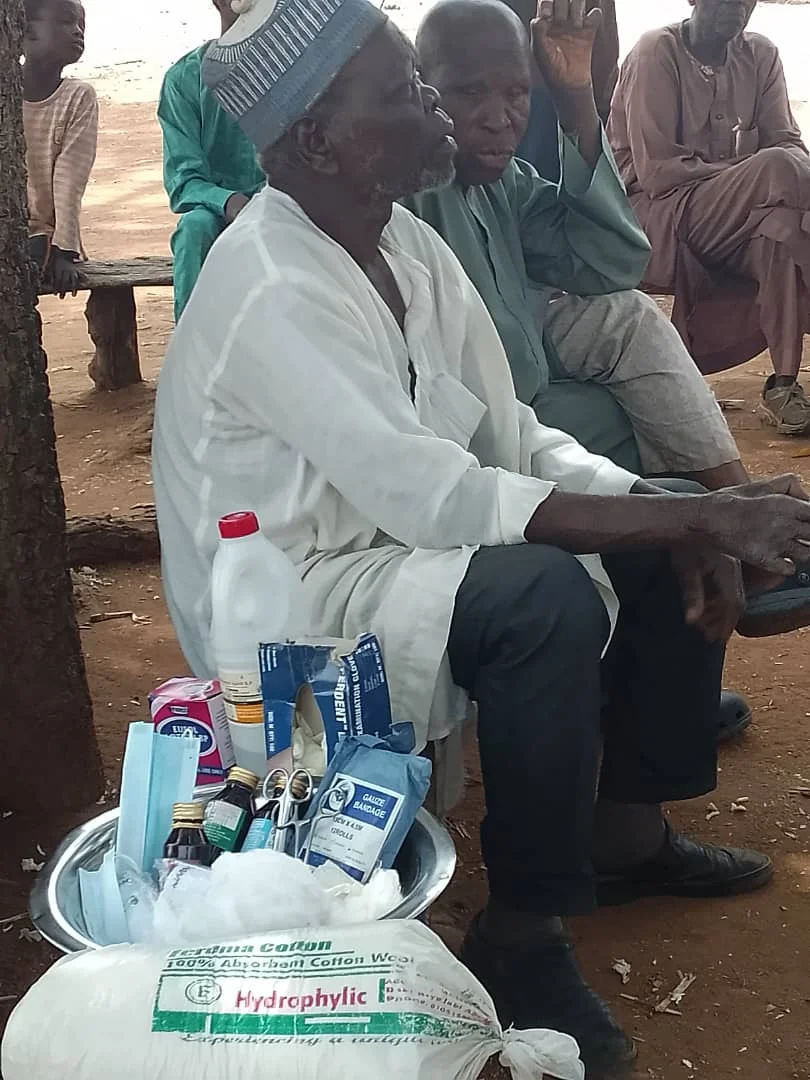
In a visit to Alheri community in Yangoji Village, Kwali Area Council in the Federal Capital Territory, a home to about 500 people, made up primarily of person’s affected by leprosy and their families, the Pointernewspaper speaking with a man who chose to remain anonymous, shared that stigma and discrimination has remained a challenge for persons affected with the disease. Due to the physical disabilities caused by the disease when left untreated, persons affected face discrimination and stigmatization which in most cases leads to the continued isolation and creation/existence of settlements/leprosy village. Some of these persons even after recovering fully, choose to remain in the colonies and refuse to be reintegrated into society for fear of rejection.
In the opinion of Musa Abdullahi, one of the affected persons residing in the colony, stigmatization only occurs when affected persons refuse to adhere to simple hygiene. People generally tend to distance themselves from unkept persons. If people affected keep themselves clean, that issue of being stigmatized, will be reduced to the barest minimum.
Also, some affected individuals for fear of discrimination hide their symptoms to avoid being diagnosed with leprosy, therefore resulting to a lack of medical treatment, hence resulting to an advancement of the disease.
Although, organizations have continued to work hard to break down the barriers, promote reintegration of those affected into mainstream society, and create more awareness about the disease, there still remains a misconception.
There is therefore a pressing need for increased government support, funding and awareness campaigns and human rights promotion to combat stigma and enhance the quality of life for better living conditions for individuals affected by leprosy in Nigeria. This also includes an increased advocation for the reintegration of affected individuals into their communities to foster societal inclusion and well-being.
As the world commemorates the World Leprosy Day, it can only be hoped that there is more awareness, sensitization, and better treatment of affected persons.
People with leprosy should and can live an active life during and after treatment

