


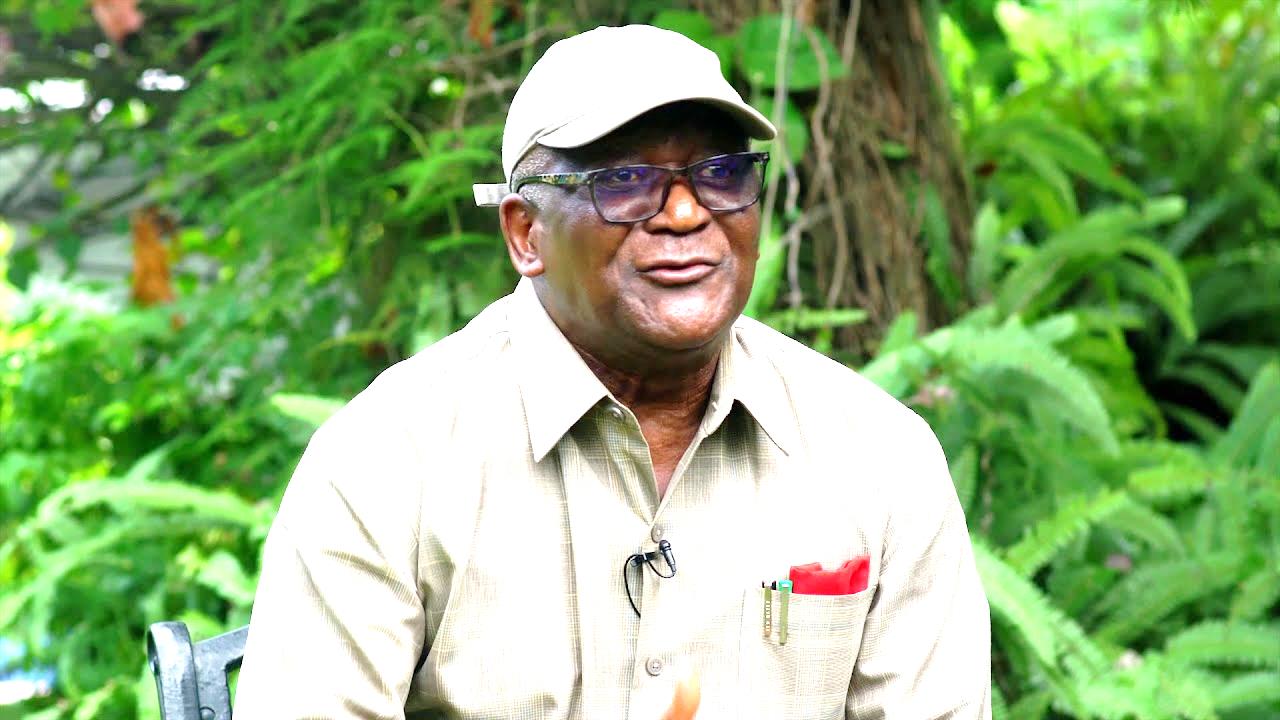
THIS is the second part of a four-part reflection drawn from A Conversation That Connects between Ages – a dialogue between generations, between what was and what is, between memory and the moment we now inhabit. If the first part began with a question of legacy – what kind of country are we leaving behind – this part turns the lens toward responsibility: who among us will dare to repair what has been broken?
My hope for the youth remains strong. They must examine themselves honestly and heal from the injuries of bad governance, greed, and misplaced values. They must rediscover integrity and hard work – those virtues that once defined us. As Bashorun J.K. Randle once wrote, our generation suffered from “head injuries” inflicted by misrule and corruption. The young must now cure themselves of these wounds and chart a different course.
As I look back, I realize that the bridge between generations is fragile but vital. The young shall grow, yes – but only if they are guided by the wisdom of those who came before them. And the old must learn to listen, to step aside gracefully, and to make room for new voices. For in the end, every generation writes a part of the same story. Between the ages, there must always be a conversation that connects – a dialogue that ensures wisdom is not buried and youth is not wasted. That, perhaps, is the only way tomorrow can stand.
Not given up, therefore, I am in the process of recruiting two young writers who will continue this conversation with me. Beginning with the next series of articles in this column, you will be reading the thoughts and voices of Chidera Melissa Onyia and Joy Ezekwem – two bright young minds whose perspectives, I believe, will enrich our shared dialogue between generations.
In this second reflection, Chidera Melissa Onyia takes up that torch with a piece that asks one of the hardest questions of our time: not “What is wrong with Nigeria?” but “Who will bell the cat?”
Challenge Of True Leadership
BY CHIDERA MELISSA ONYIA
THE first time I heard the expression “Who will bell the cat?” I was a child who loved and owned a cat. Without knowing the story behind the saying, I created my own version of it. I imagined a mischievous cat that had stolen someone’s meat perhaps even eaten all the meat from Aunty Ginika’s pot of soup and that the police had been called to arrest it. I remember thinking, with all the seriousness of a child, that if my cat ever stole anything, I would “bail” him out myself.
As I grew older, I came to understand that “Who will bell the cat?” is far more than a playful saying. It is a timeless metaphor, a question of courage, duty, and moral responsibility. It reminds us that while many can identify a problem, and even propo s e br i l l i ant solutions, few are willing to take the risk to make things right.
The original fable tells of a group of mice who lived in fear of a cat that hunted them daily. One clever mouse suggested hanging a bell around the cat’s neck, so they could hear him coming and run to safety. The idea was brilliant until the oldest mouse asked the question that silenced the room: “Who will bell the cat?” The plan failed not because it lacked wisdom, but because it required courage.
Nigeria today finds itself in a similar dilemma; a nation overflowing with brilliant minds, eloquent voices, and passionate dreamers, yet starved of brave doers willing to bell the cat. Politicians preach reform but act in the same old ways. Public servants condemn corruption yet quietly feed from its crumbs. Ordinary citizens blame bad leadership, yet many of us cut corners when it serves us. The problem is not only at the top it lives among us, in our markets, schools, offices, police checkpoints, hospitals, and even in our homes. We have normalized wrong doing, choosing what is easy over what is right.
That brings us to one group that faces the ‘cat’ every single day – the Nigerian Police.
They stand at the frontline of our nation’s daily struggle between order and disorder, chaos and calm. Despite overwhelming challenges, they remain the first to respond whenever trouble strikes.
When a tenant owes rent, the landlord calls the police. When there’s an armed robbery or a domestic dispute, the police are called. When someone goes missing or a neighborhood erupts in chaos, once again, it is the police we turn to.
The truth is simple: in moments of fear and uncertainty, it is the police who stand between safety and confusion; between the fragile peace we cling to and the disorder that constantly threatens it. For all their faults and failures, they remain the first line of defense in a nation where danger hides in too many corners. We must give them their due. Despite poor funding, exhaustion, and a painful lack of modern equipment, many officers still rise each morning, ready to face criminals, protect lives, and maintain order. They are the ones who run toward the sound of gunfire when everyone else is running away.
And yet, while we commend them, we must also speak the truth. Some officers still stain their uniforms with greed, abuse, and unnecessary violence. Some have turned checkpoints into toll gates, treating the very citizens they swore to protect as suspects or worse, as sources of income. These few bad eggs tarnish the image of an entire institution and make life even harder for the good men and women who serve with dignity and courage. The Nigerian Police can and must do better. True reform will not come from new slogans or uniforms, but from restoring integrity, discipline, and empathy within the force. For until those who guard the law begin to embody justice, our nation will keep asking the same haunting question: Who will bell the cat?

