


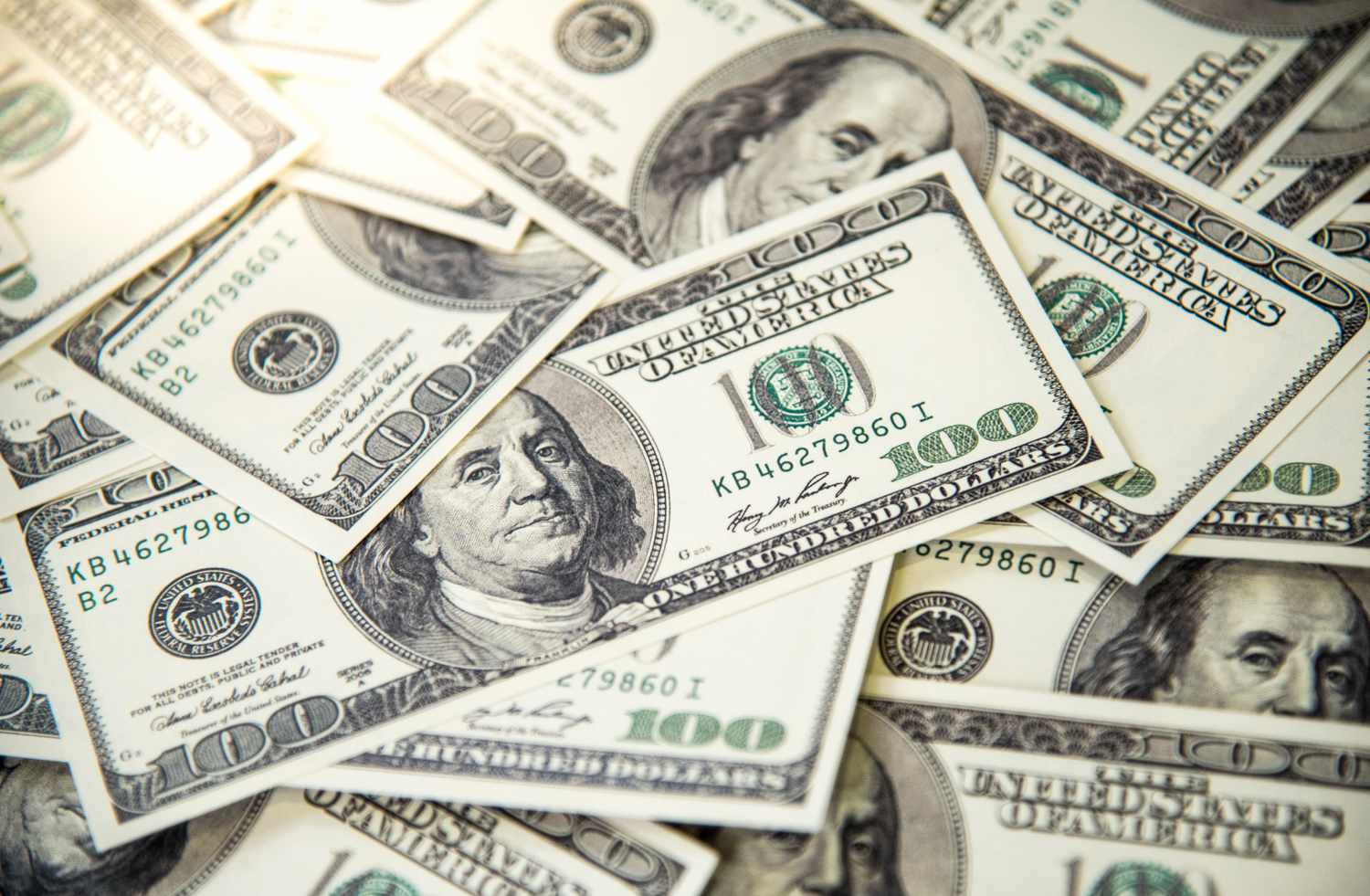
PAYMENT of school fees in foreign currencies began in September 1986, following the liberalization of the foreign exchange market by the Nigerian government after the introduction of the Second-tier Foreign Exchange Market (SFEM), a development that allowed official and autonomous foreign currency transactions.
Before this period, Nigeria used the British pound sterling and then the Nigerian pound before decimalising its currency to the Naira in 1973. Over the years, the payment of school fees in denominated currencies has had significant negative consequences for the national economy and the education sector. These consequences primarily involve putting pressure on the Naira and widening the gap in access to quality education.
In a deliberate move to remedy the ugly situation, the Nigerian government prohibited the payment of school fees in dollars or any other denominated currencies in the country, with the Economic and Financial Crime Commission (EFCC) warning of serious sanctions, including the closure of schools and apprehension of the proprietors who violate the law.
Disturbed by the effect of the practice, recently, the National Parents Teachers Association of Nigeria (NAPTAN) endorsed the federal government’s decision to close down schools charging tuition fees in foreign currencies. The association described the practice as exploitative, abnormal, and unpatriotic, stressing that it must not be tolerated under any circumstances.
The Chairman of NAPTAN’s Board of Trustees, Adeolu Ogunbanjo, in an interview with newsmen, disclosed that such demands were unacceptable in any Nigerian institution. He said no school should request fees in dollars or other foreign denominations, nor should any parent agree to such exploitative terms.
We totally align with the position of the federal government and that of NAPTAN because the practice of demanding school fees in foreign currencies undermines Nigeria’s economy and contradicts the values education should uphold. The practice has some far-reaching negative economic consequences as it weakens the Naira, drains the foreign reserves, leads to economic instability and leakages, and promotes forex racketeering, as well as loss of monetary policy independence.
Again, payment of school fees in denominated currencies has both social and educational consequences, such as inequality and exclusion, high dropout rates, and inconsistency in pricing. It also has legal and regulatory consequences because the Central Bank of Nigeria (CBN) Act of 2007 clearly states that the Naira is the sole legal tender for all transactions within Nigeria. Charging fees in dollars is, therefore, a violation of Nigerian law.
Payment of school fees in denominated currencies, no doubt, is a sad commentary on the nation’s development trajectory as it scornfully reflects a carryover of colonial relics of an inferiority complex. Regrettably, the law is being violated by those in authority who have a penchant for using dollars in most of their daily transactions. By this unholy action, we are subjecting our dignity to global ridicule. How can our Naira be strengthened if we are fantastically crazy about the dollar?
While applauding parents who brought this nefarious practice to public glare, we called for the obliteration of the idea of paying tuition fees in foreign currencies from the minds of education stakeholders in the country because the practice is economically reprehensible and totally unacceptable.
Education, to us, is something that should help to develop society, but the flip side of this unwholesome practice is that it will help create an erroneous impression in the minds of the younger generation of Nigerians that the Naira is inferior to the dollar. The law prohibiting payment of school fees in foreign currencies in Nigeria should take its course if we must truly oxygenate our economy to bolster sustainable development in the country. It is an unpatriotic act which should not be tolerated at all.

