


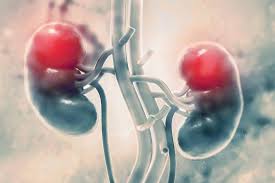
KIDNEY failure (renal failure) means one or both of the kidneys no longer function well on their own. Kidney failure is sometimes temporary and develops quickly (acute kidney failure). Other times, it’s a long-term condition that slowly gets worse over time (chronic kidney failure).
Kidney failure can worsen to the most severe stage, end-stage kidney disease (ESKD), which is deadly without treatment. If you have end-stage kidney disease, you may survive a few days or weeks without treatment. With the proper treatment, you can have a good quality of life while you manage kidney failure.
What do the kidneys do?
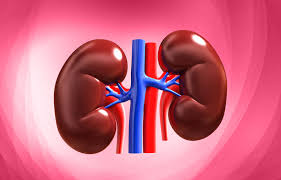
Your kidneys are bean-shaped organs about the size of your fist. They sit under your ribcage, toward your back. Most people have two working kidneys, but you can live well with only one kidney as long as it’s functioning well.
Kidneys have several jobs. One of the most important jobs is helping your body eliminate toxins. Your kidneys filter your blood and send waste products out of your body in urine (pee).
When your kidneys don’t work correctly, waste products build up in your body. If this happens, you’ll feel sick and eventually die without treatment. Many people can manage kidney failure with the proper treatment.
How common is kidney failure?
Kidney failure affects over two million people worldwide.
What are the first warning signs of kidney failure?
Many people experience few or no symptoms in the early stages of kidney disease. However, chronic kidney disease (CKD) may still cause damage even though you feel fine.
Kidney failure symptoms vary between
people. If your kidneys aren’t working properly, you may notice one or more of the following signs: Extreme tiredness (fatigue), Nausea and vomiting, Confusion or trouble concentrating, Swelling (edema), particularly around your hands, ankles or face, A change in how often you pee, Cramps (muscle spasms), Dry or itchy skin, Poor appetite, or food may taste metallic.
What are the most common causes of kidney failure?
Diabetes and high blood pressure are the most common causes of chronic kidney disease and kidney failure.
Unmanaged diabetes can lead to high blood sugar levels (hyperglycemia). Consistently high blood sugar can damage your kidneys as well as other organs.
High blood pressure means blood travels forcefully through your body’s blood vessels. Over time and without treatment, the extra force can damage your kidneys’ tissue.
Kidney failure usually doesn’t happen quickly. Other causes that may lead to kidney failure include:
Polycystic kidney disease (PKD). PKD is a condition you inherit from one of your parents that causes fluid-filled sacs (cysts) to grow inside your kidneys.
Glomerular diseases. Glomerular diseases affect how well your kidneys filter waste.
Autoimmune kidney diseases. Lupus is an autoimmune disease that can cause organ damage, joint pain, fever and skin rashes.
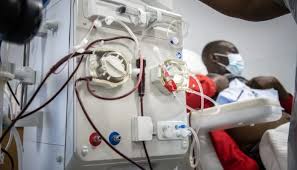
Kidney failure can also develop quickly because of an unexpected cause. Acute kidney failure (acute kidney injury) occurs when your kidneys suddenly lose their ability to function. Acute kidney failure may develop within hours or days. It’s often temporary.
Common causes of acute kidney failure include certain medications, severe dehydration, urinary tract obstruction, and untreated systemic diseases, such as heart disease or liver disease.
What are the risk factors for kidney failure?
Kidney failure can affect anyone. However, you may be at a higher risk of developing kidney failure if you have diabetes, high blood pressure (hypertension), heart disease, a family history of kidney disease, abnormal kidney structure, if you are Black, over 60 years, or have a long history of taking pain relievers, including over-the-counter products such as nonsteroidal anti-inflammatory drugs (NSAIDs)
What are the complications of kidney failure?
The kidneys have many different functions in your body. When you have kidney failure, you may develop certain complications. Complications of kidney failure include: High blood pressure, anaemia, Bone disease, Fluid around your lungs, Nerve damage and Electrolyte imbalance.
But just because you have kidney failure doesn’t mean death is imminent. You can still manage the condition by following your provider’s treatment plan, which may include medications, lifestyle changes and limiting salt and certain foods. If you don’t follow your provider’s treatment plan, your kidneys will worsen and eventually lead to death.
10 Common Habits That May Harm Your Kidneys
Overusing Painkillers
Over-the-counter pain medicines, such as NSAIDs (nonsteroidal anti-inflammatory drugs) and Analgesics, may alleviate your aches and pains. They can also harm the kidneys, especially if you already have kidney disease. Reduce your regular use of NSAIDs and never go over the recommended dosage.
Abusing the Salt Shaker
Diets high in salt or sodium can increase blood pressure and harm your kidneys. Flavour foods with herbs and spices instead of salt. It tastes just as good. Your taste buds will adjust, and you may find it easier to use less salt on your food over time.
Eating Processed Foods
A 2022 study found that those who eat a lot of processed foods had a 24% higher risk of kidney disease. These foods are heavily processed and packed with artificial additives, added sugar, refined carbs, unhealthy fats, and sodium, but are low in fibre, protein, and essential nutrients. Try eating more whole foods like fruits, vegetables, and grains. Speak with your healthcare practitioner or a kidney dietician before changing your diet.
Not Drinking Enough Water
Without enough water, you risk kidney damage, especially if you’re working hard or in hot weather. Water helps the kidneys remove waste. It also helps prevent kidney stones and makes UTI medicine work better. Those with late-stage kidney disease may need to restrict fluids. Ask your healthcare practitioner how much water you should drink.
Missing Out on Sleep
A good night’s rest is extremely important to your overall well-being and, it turns out, your kidneys. Kidney function is regulated by the sleep-wake cycle, which helps coordinate the kidneys’ workload over 24 hours.
Eating Too Much Meat
Protein is an important part of our diet. It helps people build muscle, heal, fight infections, and stay healthy. The amount of protein we need depends on our age, sex, and health. Animal proteins, like meat, dairy, and eggs, contain all the essential building blocks, but some can be high in unhealthy fats. Fish, poultry, and low-fat dairy have less of these fats, making them better for heart health. If you have kidney disease, though, your body might struggle to remove all the protein waste.
Too Much Sugar
Sugar contributes to obesity. Obesity can increase the risk of developing high blood pressure and diabetes, the two leading causes of kidney disease. You can find sugar in many places, like desserts, drinks, and foods you may not consider sweet. Pay attention to the ingredients when buying packaged goods to avoid added sugar in your diet.
Lighting Up
You may know that smoking isn’t good for your lungs or heart. Did you know that smoking could also harm your kidneys? People who smoke are more likely to have protein in the urine–a sign of kidney damage.
Drinking Alcohol in Excess
Heavy drinking can harm the kidneys. For women or those assigned female at birth, that’s more than three drinks a day (or more than seven per week). For men or those assigned male at birth, that’s more than four drinks in a day (or more than 14 per week).
Alcohol changes how the kidneys work. Besides filtering blood, kidneys help keep the right amount of water in your body. Alcohol can interfere with this balance by dehydrating the body. Drinking too much alcohol can also raise blood pressure, a leading cause of kidney disease, and harm the liver, making the kidneys work harder.
Sitting Still
Regular exercise offers many health benefits, especially for people with kidney disease. It helps people maintain a healthy weight, blood pressure, and cholesterol levels. One study showed that people with advanced kidney disease who exercised regularly had about a 50% lower risk of death compared to those who didn’t.

