


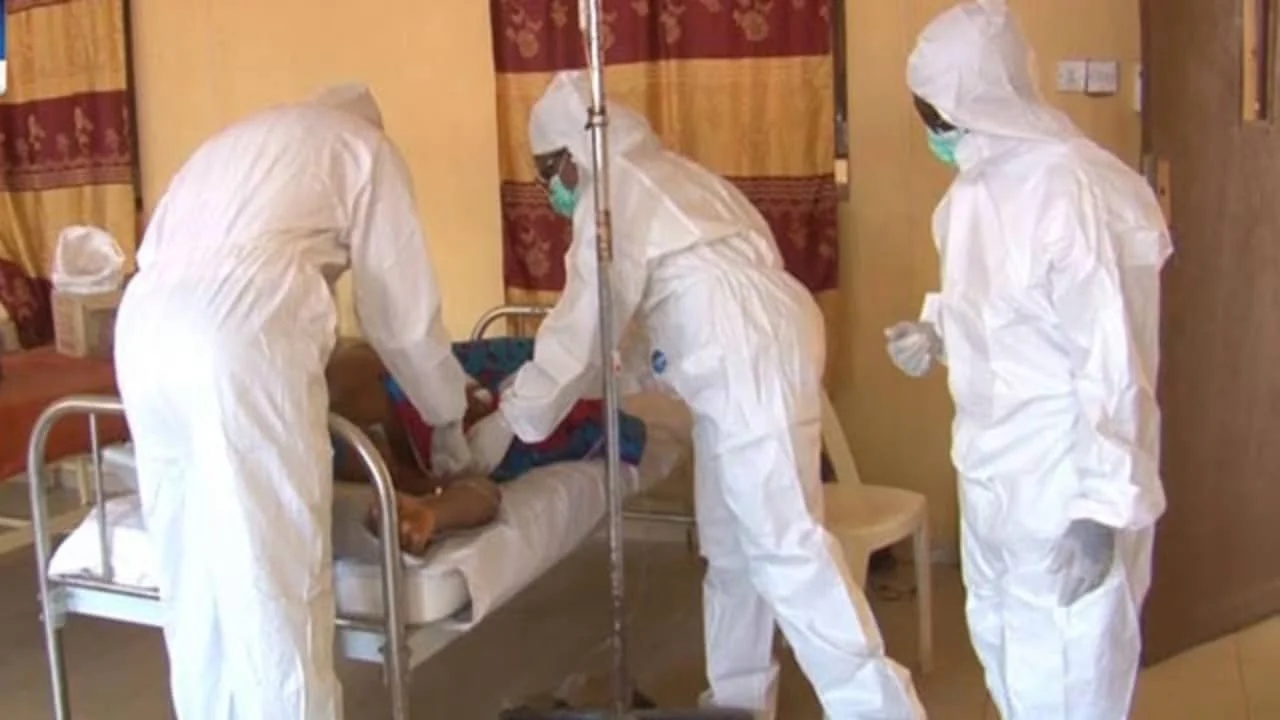
ONE of the infectious diseases that has ravaged sections of Nigeria is Lassa fever, an acute, often fatal viral hemorrhagic illness endemic to West Africa caused by the Lassa virus, which is transmitted to humans primarily through contact with the urine, feces, or saliva of infected Mastomysnatalensis rats. It is also transmitted from person to person through contact with blood, urine, saliva, throat secretion, or semen of an infected person.
Other means of transmitting the contagious disease are touching the floors, beddings, and household materials contaminated with urine, feces, saliva, or blood of rats or an infected person. It causes severe, multi-organ damage in about 20 per cent of cases, with symptoms including fever, headache, weakness, and potential hemorrhage.
Lassa fever was first identified in 1969 in Lassa, Borno State, Nigeria, after two missionary nurses died from the viral hemorrhagic fever. It is endemic to Nigeria, with outbreaks primarily occurring during the dry season (November–March). In recent times, Lassa fever cases have surged, particularly in Edo, Ondo, and Bauchi States.
People of all age groups who come in contact with the urine, feces, saliva, or blood of rats; people living in dirty environments; family members who are taking care of persons infected with Lassa fever, and health workers, including doctors, nurses or other health workers providing direct patient care, without universal precautions are largely at risk of contracting Lassa fever.
Others at risk of contracting the disease are hospital staff who clean and disinfect contaminated surfaces, materials, and supplies; laboratory staff who handle blood samples from suspected Lassa fever cases, and medical or support staff who prepare or handle dead bodies of Lassa fever patients without appropriate precautions. Signs and symptoms of Lassa fever typically occur one to three weeks after infection.
In 2025, over 170 people were reported to have died from Lassa fever in Nigeria, with total confirmed cases surpassing 900, largely concentrated in Ondo, Edo, and Bauchi states. As of early 2026, the Nigeria Centre for Disease Control and Prevention (NCDC) is managing an ongoing Lassa fever outbreak with 39 new confirmed cases and 17 deaths reported recently, largely affecting Ondo, Bauchi, Edo, and Taraba states. The disease mainly impacts young adults (21–30 years), with a high case fatality rate.
The reported cases of Lassa fever in Nigeria have further exposed the frailties in the nation’s healthcare system. This, to us, is quite worrisome, and it calls for concerted and deliberate efforts to mitigate the life-threatening disease plaguing public health in the country.
We implore both the federal and sub-national governments to intensify awareness campaigns against the disease. It is our view that research efforts aimed at taming the scourge should be intensified, while our scientists are encouraged to do more by inventing a vaccine that could prevent Lassa fever, as the disease has no vaccine yet.
We also call on the governments to expand the frontiers of their healthcare infrastructure to enable it to respond promptly to healthcare emergencies like disease outbreaks. In a nutshell, the government should do more than it is currently doing in its fight against Lassa fever in the country.
Similarly, we call on community leaders, opinion leaders, healthcare professionals, and the mass media to carry out sustained advocacy to educate the people on the need to imbibe a culture of maintaining standard hygiene and keeping to a healthy environment and lifestyle.
Again, it is important that symptoms like fever, headache, and sore throat should be reported immediately to local health authorities, as early presentation to a healthcare facility increases the chances of survival from Lassa fever.
Finally, comprehensive efforts should be made to create awareness on how Lassa fever could be effectively checked through clearing of bushes around the house, periodic fumigation of the surroundings, and washing fruits and vegetables with clean water before eating them, among others.

