


DELTA State stands at a critical crossroads in Nigeria’s fight against illicit drugs, particularly marijuana, crack cocaine and other hard narcotics that have devastated communities, fuelled crime, and derailed countless young lives. For too long, drug peddling has been treated as a surface problem, an issue addressed solely through raids and arrests. The reality, however, shows that piecemeal action will never dismantle syndicates or curb rising demand.
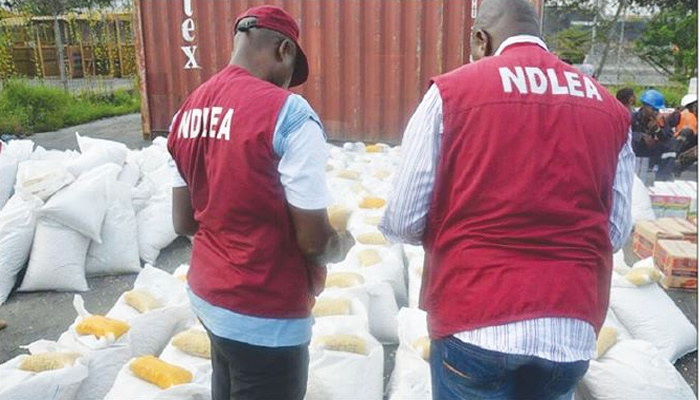
This year, the National Drug Law Enforcement Agency (NDLEA), working with increasing precision, has recorded significant victories against drug networks in Delta. In a high-profile operation in Asaba in December 2025, the agency uncovered a syndicate’s warehouse stocked with illegal narcotics worth an estimated ₦150 million, signalling the scale of trafficking infrastructure that often hides in plain sight.
That seizure, though impressive, was only the tip of the iceberg. Between January and mid-December 2025, the NDLEA’s Delta Command impounded illicit drugs with a street value exceeding ₦3 billion, including cannabis, cocaine, methamphetamine, heroin, and hundreds of kilograms of opioids such as tramadol. These figures confirm that the trade is far from small-scale; it operates through sophisticated supply chains that reach across communities and states.
Earlier in the year, Delta witnessed the capture of a long-wanted drug kingpin in Asaba responsible for moving over 138 kilograms of skunk in a distribution bus, a blunt reminder of the industrial scale at which these operations function. Beyond major hauls, local recruitment of youths into drug distribution networks is alarming. On December 10, in Agbor, Ika South Local Government Area, police arrested approximately 161 youths suspected of peddling large quantities of illicit drugs and other contraband.
That same month, 18 individuals involved in drug trafficking were apprehended in intelligence-driven raids across multiple locations in Asaba. Among those prosecuted were youths as young as 16, highlighting the alarming involvement of minors in the trade. While enforcement achievements are commendable, they also reveal a hard truth: arrests and seizures alone will not eradicate the drug problem. Syndicates adapt quickly, substances evolve, and demand persists. Current efforts, though forceful, often target symptoms rather than causes, failing to address the economic desperation and social vulnerabilities that drive the trade.
Moreover, the system remains largely reactive. Intelligence gathering has improved to a level, but prosecution and sentencing lag. Many syndicate operators at higher levels evade justice, leaving lower-tier dealers to bear the brunt while networks continue to thrive. Prevention and community education, though undertaken through NDLEA’s War Against Drug Abuse (WADA) initiative, remain insufficient to counteract the allure of quick financial gains for vulnerable youths.
While we commend the NDLEA, police and other anti-drug agencies for the achievements recorded against drug peddlers, it is a fact that strategic roadmap is still critical to realize a free-drug society. Consequently, Delta State must strengthen inter-agency coordination, ensuring NDLEA, police, customs, and local stakeholders share actionable intelligence in real time. Prosecution and sentencing reforms are also essential; arrests have limited impact without swift convictions, punitive sentences, and asset forfeitures that target the financial incentives of trafficking.
Equally important is reducing demand. Public health approaches should include expanding rehabilitation centres, supporting families of users, and integrating drug awareness into school curricula. Treating addiction as a health crisis, not solely a criminal matter, will mitigate relapse and long-term dependency. Lastly, youth empowerment must be prioritised. Vocational programmes, job placements, and mentorship initiatives provide tangible alternatives to the lure of narcotics distribution.
Delta’s fight against hard drugs and their peddlers has produced tactical victories, but these remain fleeting without structural change. Arrests make headlines; sustained reductions in addiction and trafficking leave a lasting impact.
Strategic, sustained action that combines enforcement with prevention, prosecution, and community empowerment is no longer optional; it is imperative. Anything less risks the cycle repeating, leaving the state’s communities vulnerable to the next wave of narcotics and the social devastation it brings.

