
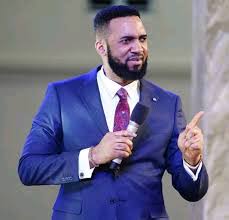
I will never forget Pastor Emmanuel Adeoba, former resident pastor of Living Faith Church, Okpanam, when he spoke up, charging women who experience any form of sexual harassment from any male church leader within the congregation not to be afraid but to come forward and report to the relevant body, assuring them that such matters would be taken seriously. Whether anyone reported or if actions were taken, I do not know, but that was the first time I had ever heard anything like that from the pulpit, and it earned him my eternal respect.
One thing we are constantly served from many Pentecostal pulpits is prosperity, female modesty, marriage and relationships, the degenerating Gen Z generation, and how they will fornicate their way into the pit of hell. Don’t get me wrong, these are not useless messages. But often, I find myself counting down the minutes until the man of God inevitably pivots from whatever text he is preaching and lands squarely on these familiar themes.
Yet, never, not in all my years of church attendance, had I heard a sermon addressing how men of God themselves can become predators, and what the church should do when that happens. That silence is precisely why the Chris Okafor saga matters far beyond gossip or social media noise.
On January 1, 2026, during a New Year’s crossover service, Chris Okafor, Senior Pastor of the Mountain of Liberation and Miracles Ministries (Liberation City), announced that he would step down from all pastoral duties for one month. He described this as following “God’s instruction” for spiritual renewal, personal retreat, rest, and time with his new wife, Pearl Okafor, whom he married on December 16, 2025. He noted that they had no honeymoon due to ongoing ministry demands and promised to return “better and stronger” in February. He stressed he would not be absent from church activities during this time, framing it as a temporary spiritual retreat.
But let’s not beat around the bush. This step-down came amid escalating public outrage and pressure following a torrent of sexual misconduct allegations that intensified in mid-December 2025. The timing, as some critics have observed, raises eyebrows: is this about rest and marital bonding, or a tactical pause as the storm rages outside his church walls?
The controversy ignited on December 14, 2025, when Nollywood actress Doris Ogala took to Instagram with emotional videos accusing Okafor of a nine-year sexual relationship starting in 2017. She claimed he repeatedly promised marriage, manipulated her into multiple abortions, contributed to the breakdown of her own marriage, shared explicit photos and videos without consent, and caused her severe emotional and financial distress.
According to Ogala, after Okafor’s engagement announcement, he offered her $10,000 to retract her statements and falsely accuse a rival pastor. She reported threats and intimidation, including brief police detention, and through her lawyer demanded ₦1 billion in damages for defamation, emotional trauma, and other harms. Oh, and if you thought that was all, Ogala further claimed Okafor engaged in fetish rituals, like burying five million maggots under his pulpit.
Following Ogala’s revelations, other women came forward, painting a similarly disturbing picture. Bessem Okafor, his former wife, accused him of infidelity, deception, physical assault, rape, and even getting a 15-year-old maid pregnant, leading to a forced marriage. Another former choir member, Ebere, alleged a secret relationship that resulted in multiple abortions and one surviving child. An unnamed woman claimed Okafor fathered children with both her and her sister, while Chidera Okafor, claiming to be his daughter, accused him of making advances toward her at age 15. These allegations, coupled with claims of financial fraud and attempts to manipulate public perception, created a perfect storm for scrutiny.
Okafor initially denied the allegations but, in a public apology on December 28, knelt on the pulpit to ask for forgiveness from Ogala and “every other person he has offended,” admitting to “past mistakes” while insisting broader claims were false. He urged his congregation to pray and stated that the truth would emerge through legal channels.
Critics, however, described his apology as manipulative, a performative circle rather than genuine contrition. Ogala dismissed it, calling it insincere and a distraction tactic, vowing to release more evidence. The social media reaction was instantaneous and unforgiving: some defended Okafor as a victim of blackmail, others called for accountability, and influencers amplified every detail, including his daughter’s public defence from the pulpit.
This is where the conversation gets uncomfortable for Christians: pastors, especially those with national followings, are often placed on pedestals as untouchable, infallible authorities. But Okafor’s case forces us to reckon with the inconvenient truth that no amount of anointed rhetoric or spiritual flair exempts anyone from accountability. Faith does not mean blind obedience, nor should the fear of challenging a pastor silence those who need justice.
If we’re being real, there’s the obvious question of motive. Is Okafor stepping down for genuine rest and marital bonding? Or is this a pause, a strategic withdrawal in response to allegations? We may never know, but history suggests that powerful men often use “spiritual retreats” as a form of crisis management. Meanwhile, Christians are left to debate, discuss, and reflect: how do we honour spiritual leaders while acknowledging their human failings?
This is not to dismiss the good work pastors can do, the community projects, counselling, and guidance they provide, but it is a reminder that spiritual authority is not moral immunity. Followers must cultivate discernment, holding space in their hearts to accept that leaders can err, fail, or exploit their positions. In short, faith and critical thinking must coexist.
Okafor’s saga is messy, scandalous, and deeply human. It is also a lesson: the church is not a legal vacuum, nor a moral shield. Allegations must be investigated, victims heard, and leaders held accountable. Humour and sarcasm aside, the maggot story, the failed apologies, and the strategic retreats all point to the necessity of vigilance in faith communities. Christians can respect their pastors without suspending critical judgment; love and devotion do not require naivety.
As the world watches whether Okafor returns in February “better and stronger,” the larger question remains: will the church confront these uncomfortable truths, or continue to indulge in the myth of infallibility? One month may not heal reputations, nor does it erase the pain inflicted on victims. But it is a reminder, painful, public, and unavoidable, that accountability, not hero worship, should guide the faithful.
Christians must also rethink loyalty. Loyalty to truth should trump loyalty to personalities. The brand of Christianity that collapses the moment a pastor is questioned is not faith; it is fandom. And fandom has no moral compass.