


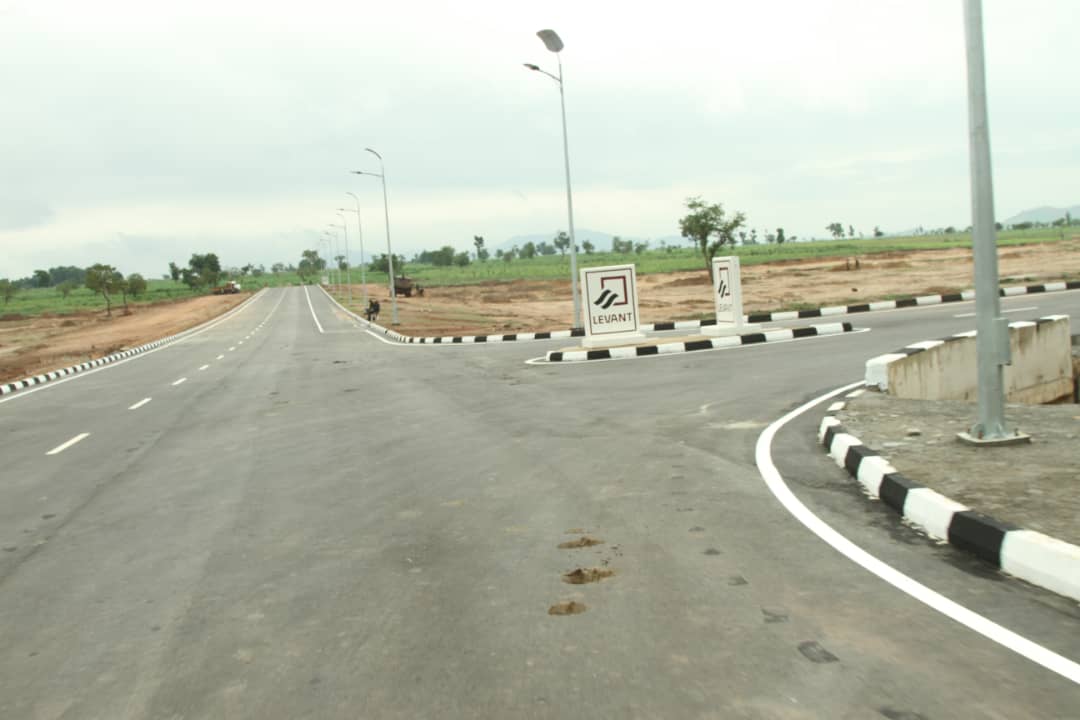
THE role of a good and efficient network of roads in facilitating the socio-economic development of any nation cannot be overemphasized. Without mincing words, good roads facilitate transportation by linking the various units of the society, as well as aiding trade and commerce across the society.
Besides, good roads contribute immensely as a bulwark against needless man hour loss and avoidable accidents usually associated with dilapidated roads.
It is against this backdrop that nations, particularly those subscribing to democratic norms and values, more often than not prioritize not just good roads but prompt and adequate maintenance culture geared towards their fit and proper use for sustainable benefit of the citizens.
Where, however, the road lacks such priority or maintenance culture in the scheme of things, the consequence will certainly be counter-productive and unpalatable to say the least. Indeed, nobody needs a pair of binoculars to see the huge sufferings and collateral damages that a bad road foists on the society.
One road that has in recent times become a nightmare to travellers, traders and general road users in the Southern part of Nigeria is the Benin/Asaba Expressway.
When it came on board some decades ago, the road played a vital role as a strategic highway linking up the south with the east, south-south and western part of the country thereby boosting ecommerce and safe transportation across these geo-political zones, in particular, and the entire country generally.
Consequently, it played a remarkable role in facilitating safe and prompt movement of goods and services and other commercial activities across vital commercial hubs in Nigeria, including Lagos, Onitsha, Owerri, Aba, just to mention a few.
Unfortunately today, the road has not only become a shadow of itself but has made road transportation a nightmare. Some of the notorious bad spots are along Ubulu-Okiti, Onicha- Ugbo, Igbodo and Agbor axis in Delta State, while failed portions at Okhauhie, Lagos by-pass, Benin-city, Benin/Agbor road up to Ramat Park in Edo state leave much to be desired.
Some of the consequences of this state of the road manifest in the loss of man hour due to failed portions and more often than not, unavoidable accidents creep in leading to loss of goods and in some cases loss of lives or very severe injuries to road users. Added to these are incessant cases of armed robbery and abduction of helpless passengers on the road.
We are worried about this state of the road that was once reputed as the pride of commuters and a catalyst for safe and effective transportation and economic development of the nation.
While we are not oblivious of the fact that some palliative works manifesting in deposition of stones on some affected portions of the road are ongoing, we believe that much is still needed to be done to rehabilitate the road.
Accordingly, we urge all relevant authorities, including Federal Road Management Agency (FERMA), Federal Ministry of works, the contractors handling the rehabilitation work to step up efforts at restoring the road to its glory.
There is indeed an urgent need to redouble efforts in reconstruction of the road to minimize the nightmare associated with its current profile.
Equally important is the urgent need to prioritize and internalize maintenance culture not only with regards to the Benin /Asaba express way but all strategic roads across the nation.
This will go a long way in restoring confidence and sense of safety among commuters plying the Benin/Asaba express way in particular and other vital highways to ensure their continuous contribution to safe and effective transportation and facilitation of sustainable growth in commerce and industry across the nation.

