


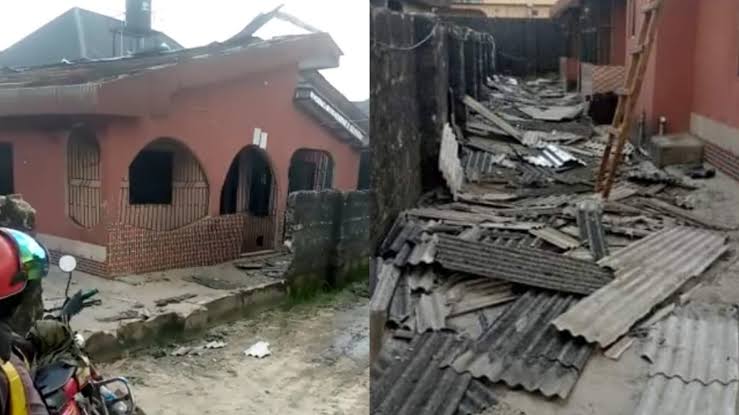
THE gap in the demand and supply of shelter in Delta State is at the moment widening at a dizzying rate. The search for rental accommodation in the major cities and towns in the state, for example, is such a harrowing experience that no one would want repeated. The ever rising cost of rent across the state further makes the experience a nightmare.
In communities like Asaba, the state capital, and adjoining Okpanam, and Warri, the commercial capital, for instance, the housing deficit is simply distressful. Also, busy cities like Effurun, Sapele, Ughelli, Agbor, Ole and Ibusa, among others, share similar perspective in the housing dynamics of the state. Yet, regardless of the housing gap and high rent, the rural-urban migration and the quest for better life elsewhere, which clearly worsens the situation, rise annually.
The complex rhetoric of shelter is further dimmed by the increasing costs of construction materials, which in some instances had risen by about 1,000 percent over the last 10 years, and had made it extremely difficult for more houses to be built.
The nation’s apex housing authority, the Federal Mortgage Bank of Nigeria (FMBN) says that the country’s housing deficit as at 2025 is estimated at between 20 million and 22 million housing units.
We believe this is an underestimation given the huge numbers of demands of accommodation across the 36 states and the Federal Capital Territory, Abuja. Nevertheless, the FMBN figure is huge enough to provoke concerns. The demand for shelter in Delta State is great, by far outstripping supply.
It is in realization of the housing gap in the state that the government had over the years initiated policies to address the issue, creating new housing estates at different locations.
It even packaged the Public Servants Housing Loan Scheme to enable public servants build their own houses. But quite frankly, the measures seemed inadequate to meet the housing needs, in our opinion, which is why the incumbent administration is aggressively pushing for alternatives to beef up the supply of shelter in the state.
Just last September, the state government handed over the Certificate of Occupancy (C of O) for 10.1 hectares of land at Ibusa within the capital territory area to the FMBN for the construction of a housing estate. Determined to ease the acquisition process, the government waived the statutory fee of N200million for the large expanse of land. The estate project is a joint venture between the FMBN and the Federal Ministry of Housing and Urban Development with the Nigeria Labour Congress and Trade Union Congress as partners.
Coming under the Renewed Hope Housing Programme of the Federal Government, under which it plans to deliver 50,000 housing units across the country in its first phase, the ambitious housing scheme has already seen the foundation laying of a housing estate in Warri. The event took place on June 29, 2024; and work is expected to have reached advanced stage at the moment. We commend Governor Sheriff Oborevwori for attracting the housing initiative to the state.
While receiving the C of O for the Ibusa project at Government House, Asaba, the management of FMBN led by its Executive Director Loans and Mortgage Services, Dr. Mohammed Abdul, remarked that Delta State is the ninth beneficiary of the federal housing programme out of 13 states under the first phase. Seven new cities are to be created each in the six geopolitical zones plus Abuja, he clarified, while estates will be built across the country.
“Our target is to provide affordable housing for Nigerians at all levels, especially those at the bottom of the pyramid. Delta (State) is very key to the success of this national plan, and we want to make a lasting impact here,” he said.
It is not indicated how soon the Ibusa project will physically kick off, but we implore the FMBN to ensure early commencement of the housing plan. Having reached a mutually beneficial deal with the federal agencies, we plead with the governor to sustain the pressure to get the FMBN and partners to start and complete the project within a record time. The proposed Ibusa housing estate and the ongoing Warri project would help to significantly address the issue of housing shortage in the state.

